

As temperatures drop, many older adults notice a familiar and unwelcome change: joints feel stiffer, movements become less fluid, and existing aches intensify. This pattern is not simply anecdotal. Seasonal shifts, particularly exposure to cold environments, can meaningfully influence how joints feel and function. Understanding the physiological reasons behind this discomfort is essential for managing symptoms and maintaining mobility during colder months.
How Aging Joints Differ From Younger Joints
Aging brings structural and biochemical changes to the musculoskeletal system. Cartilage, the smooth tissue that cushions the ends of bones in joints, gradually thins over time. It also loses water content and elasticity, making it less effective at absorbing shock. Synovial fluid, which lubricates joints, may become less efficient in providing smooth movement. Muscles surrounding the joints can weaken, and connective tissues such as tendons and ligaments may lose flexibility.
These changes make joints more sensitive to external stressors, including temperature fluctuations. In younger individuals, tissues are typically more resilient and adaptive. In older adults, however, joints may already be close to their functional threshold, so environmental factors like cold weather can push them toward discomfort more easily.
The Role of Blood Flow in Cold Conditions
One of the primary reasons cold temperatures increase joint discomfort is the body’s natural response to preserve core heat. When exposed to cold, blood vessels in the extremities constrict in a process known as vasoconstriction. This reduces blood flow to peripheral areas such as hands, knees, hips, and feet.
Reduced circulation means less oxygen and fewer nutrients are delivered to joint tissues and surrounding muscles. At the same time, the removal of metabolic waste products slows. For older adults whose circulation may already be less efficient, this effect can be more pronounced. The result is a sensation of stiffness, increased sensitivity, and sometimes pain, particularly in joints previously affected by arthritis or past injuries.
Changes in Joint Fluid and Tissue Flexibility
Cold temperatures can also affect the physical properties of synovial fluid. In warmer conditions, this fluid has a thinner consistency, allowing joint surfaces to glide smoothly over one another. In colder environments, synovial fluid can become slightly thicker, which may contribute to a feeling of resistance during movement.
Muscles, tendons, and ligaments also respond to temperature. Cold tissues are less pliable and more prone to tightness. For older adults, whose connective tissues may already have reduced elasticity, this stiffness can limit the range of motion and increase strain on the joints. Even routine movements, such as climbing stairs or getting out of a chair, may feel more demanding.
Barometric Pressure and Joint Sensitivity
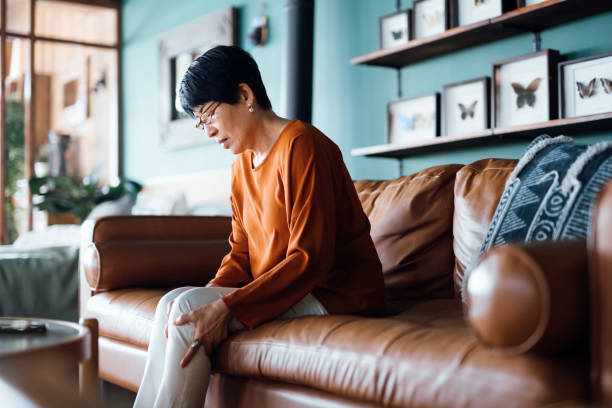
Weather changes often involve shifts in barometric pressure. Although the exact mechanisms are still being studied, many researchers suggest that drops in atmospheric pressure may allow tissues around joints to expand slightly. In joints already affected by inflammation or structural changes, this expansion may increase pressure on surrounding nerves, leading to heightened discomfort.
Older adults with osteoarthritis or other degenerative joint conditions may be particularly sensitive to these fluctuations. While not everyone experiences noticeable effects, those who do often report that pain intensifies before or during cold, damp weather.
Reduced Physical Activity During Winter
Behavioral factors also contribute. Cold weather frequently leads to reduced outdoor activity. Less movement can cause muscles to weaken and joints to stiffen further. Regular motion helps circulate synovial fluid and keeps muscles warm and flexible. When activity levels decline, joints may feel more rigid, and discomfort may increase.
For older adults, maintaining consistent, gentle physical activity is especially important. Periods of inactivity can quickly lead to deconditioning, which places additional stress on already vulnerable joints.
Nerve Sensitivity and Pain Perception
Temperature can influence how nerves transmit pain signals. Cold can heighten nerve sensitivity, making existing joint issues feel more intense. Additionally, older adults may have altered pain processing due to age-related changes in the nervous system. This combination can amplify the perception of discomfort, even if structural joint damage has not worsened.
Practical Implications for Joint Health
Understanding these mechanisms highlights why proactive strategies are important in colder months. Keeping joints warm with appropriate clothing, maintaining regular low-impact exercise, and avoiding prolonged immobility can help counteract temperature-related stiffness. Gentle stretching, indoor walking, and water-based exercises in heated pools are often beneficial.
Cold weather does not cause joint conditions, but it can expose and intensify underlying vulnerabilities, especially in aging bodies. By recognizing the link between temperature, circulation, tissue flexibility, and pain perception, older adults and caregivers can take steps to reduce seasonal discomfort and support long-term joint function.
Recent Comments